Check out our podcast: Beyond the Label (https://share.google/qAuW2Gh4aiNTkPQix)

Breaking Barriers: How Stereotypes Affect the Dating Lives of Disabled Individuals
Stereotypes are widely held but oversimplified beliefs about particular groups of people, encompassing a range of ideas and assumptions that can lead to systemic biases. Originating from cultural narratives, societal norms, and historical contexts, stereotypes can manifest as positive, negative, or neutral generalizations. In the realm of disability, prominent stereotypes often characterize disabled individuals as dependent, overly sensitive, or burdensome. Such perceptions are frequently shaped by media representations, lack of representation, and societal attitudes that have persisted for decades.
ADVOCACY
MJ Blake
4/12/20267 min read
Understanding Stereotypes and Their Origins
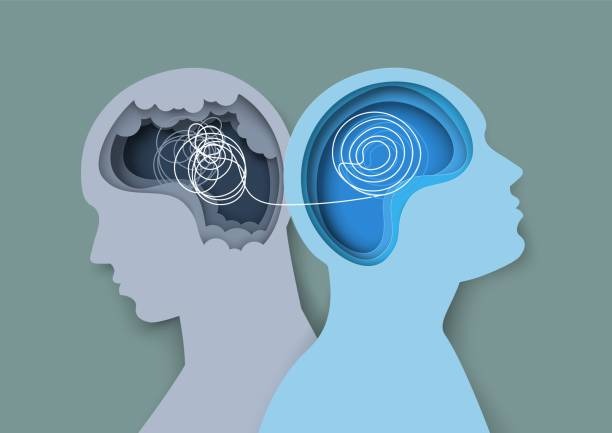
Stereotypes are widely held but oversimplified beliefs about particular groups of people, encompassing a range of ideas and assumptions that can lead to systemic biases. Originating from cultural narratives, societal norms, and historical contexts, stereotypes can manifest as positive, negative, or neutral generalizations. In the realm of disability, prominent stereotypes often characterize disabled individuals as dependent, overly sensitive, or burdensome. Such perceptions are frequently shaped by media representations, lack of representation, and societal attitudes that have persisted for decades.
The formation of stereotypes typically stems from a natural human desire to categorize and simplify complex social environments. When encountering something unfamiliar, individuals may rely on existing narratives to navigate their understandings. This reductionist approach can pose significant challenges, particularly for people with disabilities, as it diminishes the rich diversity within these communities. For instance, common stereotypes that present disabled individuals solely as disabled overlook their multifaceted identities which include their aspirations, talents, and desires for meaningful relationships.
In the context of dating, these stereotypes can profoundly influence both perceptions and experiences. Non-disabled individuals may have misconceptions regarding the capabilities and desires of people with disabilities, which can hinder the formation of genuine connections. Consequently, many disabled individuals face increased barriers in dating environments, often feeling isolated or marginalized due to society’s narrow and sometimes inaccurate views. Awareness of these stereotypes and their origins is essential to fostering more inclusive attitudes and behaviors. By challenging these reductive beliefs, society can create a dating landscape that recognizes and values the unique contributions and experiences of disabled individuals.
The Realities of Dating as a Disabled Individual
Dating can be a complex and challenging endeavor for anyone, but for individuals with disabilities, the hurdles can be particularly pronounced. Disabled individuals often face unique challenges that can significantly affect their dating lives, stemming from societal stereotypes and misperceptions about disability. These challenges encompass matters such as accessibility issues, self-esteem fluctuations, and fears of rejection, which can create profound impacts on their self-image and willingness to engage in romantic relationships.
Accessibility is one of the foremost barriers in the dating landscape for disabled individuals. Many social venues, restaurants, and public spaces remain poorly equipped for those with mobility impairments. Even seemingly simple activities, such as a dinner date or attending a movie, may pose significant logistical challenges, potentially discouraging disabled individuals from pursuing these experiences altogether. According to a study by the National Center for Disability Services, over 70% of disabled individuals reported that accessibility issues were a barrier to dating.
Moreover, the relationship between disability and self-esteem is intricate and multifaceted. Many disabled individuals internalize societal stereotypes suggesting that they are less desirable partners. This internalized stigma can erode self-confidence, making dating feel even more intimidating. Personal anecdotes highlight this sentiment, with many individuals recalling how preconceived notions about their abilities led to a reluctance to engage with potential partners. Additionally, fears of rejection based on their disability can deter many from taking the first step in initiating a romantic connection, ultimately leading to missed opportunities for meaningful relationships.
Overall, the dating experiences of disabled individuals are shaped significantly by societal perceptions and the barriers that accompany them. With growing awareness around these issues, it becomes increasingly vital to challenge stereotypes and acknowledge the richness that diverse experiences can bring to the realm of dating.
The Role of Media in Shaping Perceptions
Media plays a pivotal role in shaping societal perceptions and attitudes, particularly regarding marginalized groups such as individuals with disabilities. The representation of disabled individuals in television, film, and advertising can significantly influence how society views their capabilities and potential in romantic situations. Often, media portrayals fall into two contrasting categories: the overly sentimentalized superhero or the awkward burden. These stereotypes can unjustly define the dating lives of disabled individuals.
Positive representations in media can help challenge stereotypes and highlight the diversity within the disabled community. For instance, characters who navigate romantic relationships while openly embracing their disability can foster empathy and understanding among viewers. When portrayed as complex individuals with multifaceted personalities, disabled characters can help dismantle misconceptions and promote a more inclusive narrative.
Conversely, negative portrayals often perpetuate stigmas and reinforce barriers. For example, the depiction of disabled individuals as incapable of pursuing relationships or portrayed only as objects of pity can contribute to societal beliefs that they are not suitable partners. Such portrayals can discourage disabled individuals from pursuing romantic relationships themselves, as they may internalize these harmful stereotypes. The media's influence extends beyond just entertainment; it actively shapes societal norms and attitudes toward disabled individuals.
Moreover, the absence of disabled individuals in mainstream narratives further marginalizes their experiences. When they are not represented, it perpetuates a cycle of ignorance and misunderstanding about their desires, interests, and abilities. Inclusive representation in media is crucial not only in breaking these stereotypes but also in empowering disabled individuals to seek fulfilling romantic relationships without fear of societal judgment.
Impact of Stereotypes on Self-Image and Confidence
Stereotypes surrounding disability often manifest in societal perceptions that label individuals as inferior or incapable. These pervasive stereotypes can lead to internalized stigma, where disabled individuals adopt negative beliefs about themselves, consequently impacting their self-image and confidence, especially in dating scenarios. Psychological studies highlight that the internalization of societal stereotypes can severely undermine an individual's self-worth, leading them to internalize the notion that they are less desirable as potential partners. This internal stigma may result in feelings of inadequacy, making it difficult for individuals with disabilities to engage in romantic relationships.
Research indicates that people who are subject to stigmatization often experience higher levels of anxiety and lower self-esteem. A study by Major and O'Brien (2005) found that individuals who face discrimination may withdraw from social interactions to avoid negative experiences, causing a detrimental effect on their ability to form meaningful relationships. The result is a perpetuating cycle in which social withdrawal reinforces feelings of loneliness and unworthiness, deterring disabled individuals from seeking companionship.
Furthermore, disabled individuals may overcompensate by portraying themselves in exaggeratedly positive ways or avoiding vulnerability in emotional expressions. These behaviors can hinder authentic connections, as potential partners may struggle to see beyond the disability label. To counteract these damaging effects of stereotypes, individuals can practice self-affirmation and connect with supportive communities that encourage acceptance and empowerment. By fostering positive self-image and increasing exposure to diverse relationship experiences, disabled individuals can dismantle the negative perceptions associated with their disabilities and enhance their confidence in dating.
Challenging Stereotypes: Success Stories
Across the globe, numerous disabled individuals have made remarkable strides in the realm of dating, successfully breaking through preconceived notions that society often holds about them. These success stories are not just tales of perseverance; they are testaments to the resilience and determination of those who refuse to be defined by their disabilities.
Take, for instance, the inspiring journey of Lisa, a woman with a hearing impairment who, despite the societal stigma surrounding her condition, found love on a platform specifically designed for individuals with disabilities. Lisa utilized her unique experiences to establish a deeper connection with her partner, emphasizing communication as a vital cornerstone of their relationship. By actively participating in community events and advocacy, she not only found romance but also formed a supportive network of friends who share similar challenges, highlighting the importance of community and understanding.
Similarly, John, a wheelchair user, has redefined the dating narrative by openly discussing his experiences through a popular blog. His candid storytelling has allowed him to connect with others, removing barriers and preconceptions about disability. John's approach to dating involved prioritizing confidence and honesty, allowing potential partners to see beyond his physical constraints. His journey illustrates how knowledge and education can dismantle stereotypes, paving the way for meaningful relationships.
These narratives emphasize that while stereotypes may persist, the power to challenge and change them lies within the individuals themselves. By openly sharing their experiences and encouraging dialogues about disability, individuals like Lisa and John provide hope and encouragement to others who may feel marginalized. Their stories highlight the necessity of persistent advocacy, representation, and the importance of fostering an inclusive environment that celebrates the diversity of love.
Strategies for Advocates and Allies
Supporting disabled individuals in their dating lives requires a multifaceted approach that encourages inclusivity and actively combats harmful stereotypes. Friends, family, and society as a whole can play pivotal roles in creating an environment where disabled individuals feel empowered and valued in their pursuit of romantic relationships.
Firstly, education is key. It is important for advocates and allies to educate themselves and others about the unique challenges faced by disabled individuals in the dating world. This includes understanding the stereotypes that often mischaracterize disabled people and perpetuate stigma. Workshops, discussions, and informative resources can be instrumental in shifting perceptions and fostering a more inclusive mindset.
Secondly, advocates should promote open conversations about dating and relationships among disabled individuals. Encouraging dialogue not only allows people to share their experiences but also helps to dismantle the barriers created by societal misconceptions. This can be facilitated through support groups, social gatherings, and online platforms where shared experiences can be expressed and challenges discussed.
Additionally, allies should actively challenge discriminatory behavior and language that may arise in social settings. By addressing inappropriate comments or actions, advocates contribute to a culture of respect and acceptance. It is crucial to demonstrate that disabled individuals deserve the same opportunities for love and companionship as everyone else.
Furthermore, assistive technology and accessibility accommodations should be leveraged to ensure that disabled individuals have the same chances to engage in dating activities as their peers. This encompasses everything from adapted social venues to online dating platforms that prioritize accessibility in their design.
In conclusion, by educating themselves, fostering open dialogue, challenging stereotypes, and advocating for accessibility, friends, family, and society can create a more inclusive dating landscape for disabled individuals. Such efforts can help break down barriers and promote an environment where love knows no bounds.
Looking Ahead: Creating a More Inclusive Dating Culture
Creating a more inclusive dating culture requires a concerted effort from individuals, communities, and institutions alike. One of the first steps towards this goal is to challenge and change societal norms that perpetuate stereotypes about disabled individuals. This can be achieved by promoting awareness campaigns that highlight the diversity and rich narratives of those with disabilities. Such initiatives would serve to humanize the experiences of disabled individuals in the dating scene and foster a greater understanding among the general population.
Encouraging open conversations around dating inclusivity can help dismantle preconceived notions. Discussion forums, workshops, and public speaking events can provide platforms for disabled individuals to share their experiences and challenges in dating. Engaging stories and dialogues not only educate the public but also inspire empathy and understanding, which are crucial for shifting attitudes towards a more accepting society.
Moreover, dating apps and platforms should consider implementing features that cater specifically to the needs of disabled individuals. This could include more accessible user interfaces, options to indicate accessibility preferences, and promoting profiles of disabled users to help eliminate stigma. Such initiatives would not only create more opportunities for connection but also instill confidence in disabled individuals by validating their presence within the dating landscape.
Furthermore, educational institutions can play a pivotal role in shaping a more inclusive dating culture by integrating discussions about disability rights and inclusivity into their curricula. Teaching young people about diversity, acceptance, and the impact of stereotypes fosters a generation that values inclusivity in all aspects of life, including dating.
In conclusion, by actively fostering discussions around inclusivity, promoting diverse narratives, and implementing supportive structures, society can create a dating culture that welcomes disabled individuals with open arms, ultimately enriching the tapestry of human connections.
Contact
Email: contact@beyondlabelreads.com
Socials
WhatsApp: 07840005489