Check out our podcast: Beyond the Label (https://share.google/qAuW2Gh4aiNTkPQix)

Stimming is Communication: Moving Beyond the 'Quiet Hands' Era
A deep dive into why forcing autistic children to stop stimming is harmful. Focus on how stimming expresses joy, handles anxiety, and aids communication.
ADVOCACY
Jane Fresno
7/27/20264 min read

Understanding Stimming: What It Is and Why It Matters
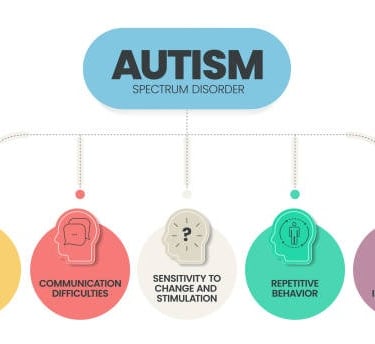
Stimming, a term derived from the behaviors termed as self-stimulatory behaviors, refers to repetitive movements or sounds that individuals, particularly in the autism community, engage in as a form of self-expression. These behaviors may include hand-flapping, rocking, repeating phrases, or even jumping. Stimming is not merely a quirky behavior; it serves as a vital mechanism for many autistic individuals to manage overwhelming sensory stimuli, communicate emotions, and regulate their internal states.
Historically, stimming has been perceived under a lens of misunderstanding, often leading to stigmatization. Traditional views classified these behaviors as problematic and in need of correction. However, recent perspectives advocate for an understanding that appreciates stimming as a natural expression of an individual’s emotional state and unique sensory processing. For many on the autism spectrum, stimming can provide crucial relief in situations where they feel overstimulated or anxious, offering a pathway to enhance their sense of stability.
Stimming varies greatly among individuals, reflecting different personal needs and experiences. The forms it can take are diverse; some may engage in visual stims such as spinning objects, while others may involve auditory stims like humming or vocalizations. This diversity emphasizes the importance of recognizing stimming as an intrinsic part of communication and emotional regulation for autistic people. By examining stimming behaviors, it becomes evident that, instead of silencing these expressions, society should foster an environment that validates them. Recognizing the significance of stimming is crucial, as it not only helps autistic individuals articulate their feelings but also represents a key component in their self-definition and identity within the broader community.
The Harmful Impact of Suppressing Stimming
Stimming, short for self-stimulatory behavior, serves as a vital form of communication for many autistic individuals. However, the suppression of these behaviors can result in significant, harmful consequences. When children are taught to suppress their stimming, they often experience increased anxiety and emotional distress. This is because stimming frequently functions as a coping mechanism, providing comfort and helping them regulate their sensory experiences. The act of suppressing stimming removes this essential tool, leaving children without an outlet for their emotions.
Take, for example, the testimony of a parent whose autistic child was forced to suppress stimming behavior. The child, who used hand-flapping as a way to soothe themselves during overwhelming situations, faced constant reprimanding and was told that such behavior was unacceptable. This suppression led to the child becoming increasingly anxious, withdrawing socially, and struggling in the classroom environment. The loss of this natural form of expression directly impacted the child’s self-identity, leaving them feeling as if their genuine self was unacceptable.
Moreover, the notion that stimming is merely 'bad behavior’ continues to contribute to the stigma surrounding these expressions. By framing stimming in a negative light, we overlook its intrinsic value in helping autistic individuals communicate their needs and emotional states. In classrooms where teachers actively discourage stimming, children may feel pressured to conform to neurotypical norms, resulting in feelings of inadequacy and isolation.
In essence, stimming should not be viewed as problematic or disruptive. Instead, it should be recognized as a crucial aspect of communication and self-expression for autistic individuals. Understanding this can foster a more inclusive environment where children feel safe and validated in their identities, rather than pressured to suppress their natural inclinations.
Stimming as Communication: A Vital Form of Expressing Needs and Emotions
Stimming, or self-stimulatory behavior, often manifests in various forms such as hand-flapping, rocking, or spinning. For many autistic individuals, stimming serves as a crucial mode of communication, expressing a range of emotions and needs that might otherwise remain unvoiced. Rather than merely seen as a behavioral quirk, stimming should be recognized as an essential part of communication that conveys feelings of joy, anxiety, excitement, or the need for sensory input.
Communicating through stimming can reveal underlying emotions. For instance, an increase in stimming intensity may indicate rising anxiety levels, while repetitive movements during a social interaction could signal discomfort or uncertainty. Conversely, when an individual engages in stimming in a relaxed environment, it may illustrate feelings of happiness or contentment. Recognizing these indicators is vital for effective communication between autistic individuals and those around them.
The importance of understanding stimming as a valid form of expression cannot be overstated. By acknowledging stimming behaviors as meaningful signals, individuals can foster greater understanding and patience in their interactions. This emphasis on awareness can dramatically improve the dynamics between autistic individuals and their peers, family members, and educators, paving the way for more inclusive communication practices.
Furthermore, societal perceptions of stimming often reflect a misconception that these behaviors are merely distractions or nuisances. This perspective can lead to attempts to suppress stimming rather than understanding its significance. Through education and discussion, it becomes possible to shift this narrative, promoting a more empathetic view of stimming as an integral part of life for many autistic individuals.
Supporting Autistic Voices: Embracing Stimming in Daily Life
To cultivate an environment that supports autistic individuals and their stimming behaviors, it is essential for parents, educators, and society to adopt a proactive approach. Stimming, which often manifests through repetitive movements or sounds, serves as a crucial communication tool for many autistic individuals, helping them manage sensory overload or express emotions. Recognizing and valuing the significance of stimming can lead to a more inclusive atmosphere.
First and foremost, fostering understanding within family units is vital. Parents should create safe spaces where stimming is accepted, encouraging their children to engage in behaviors that feel comforting or necessary to them. Educators can facilitate this by incorporating stimming-friendly practices in classrooms, such as providing sensory breaks or designated areas where students can stim without fear of reprimand. Recognizing the importance of stimming in daily routines can validate autistic experiences and enhance overall well-being.
Education plays a crucial role beyond individual settings. Community awareness initiatives can serve to enlighten the public about the benefits of stimming and its role in self-regulation. Workshops, seminars, and informational materials can help demystify stimming behaviors, shifting the narrative from suppression to acceptance. It is also paramount for advocates to share personal stories that highlight how stimming contributes to communication and emotional expression, thus promoting empathy and understanding among those unfamiliar with autism.
Finally, organizations can support these endeavors by implementing policies that align with inclusive practices. By encouraging workplaces and public spaces to accommodate stimming behaviors, society can foster a culture of acceptance, empowering autistic individuals to embrace their identities fully. In doing so, everyone can benefit from a richer tapestry of human expression, where every individual can thrive without the constraints of misunderstanding or stigma.
Contact
Email: contact@beyondlabelreads.com
Socials
WhatsApp: 07840005489