Check out our podcast: Beyond the Label (https://share.google/qAuW2Gh4aiNTkPQix)

Hidden & Invisible: The Battles Within
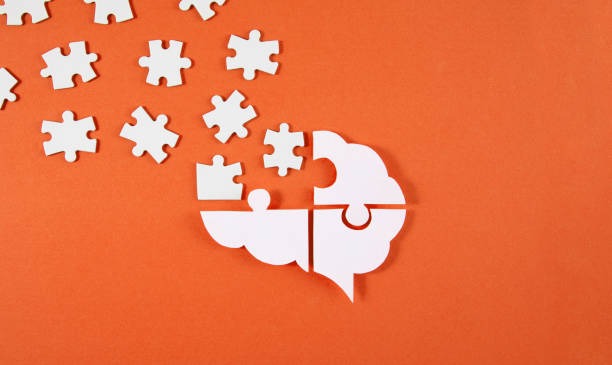
Not every disability is visible to the naked eye. Chronic pain, neurodivergence, and mental health struggles often remain hidden, leading to a "silent" struggle for many of our colleagues and friends. Just because you can’t see a challenge doesn't mean it isn’t there or isn't valid. We must practice empathy by default, assuming that everyone is fighting a battle we know nothing about. Let’s be the kind of community where no one feels they have to hide their reality.
EDUCATION
Sherry Jones
4/26/20267 min read
The Spectrum of Disabilities
Disabilities, often perceived solely through the lens of physical limitations, encompass a broad spectrum that extends far beyond what is immediately visible. This spectrum includes chronic pain conditions, neurodivergence, and various mental health struggles that may not be apparent to the casual observer. Understanding this wider definition is essential for fostering empathy and inclusivity in society.
Chronic pain is a significant element of the invisible disability category. Many individuals experience debilitating pain that affects their daily lives, yet the absence of external symptoms may lead others to underestimate the severity of their condition. This experience can result in misunderstandings and stigma, as those living with chronic pain often find it challenging to validate their experiences in environments that prioritize visible ailments.
Neurodivergence also represents a crucial aspect of the disability spectrum. Conditions such as autism spectrum disorder, ADHD, and dyslexia illustrate how cognitive differences can impact an individual's ability to navigate daily life. These conditions often require unique accommodations that may not be visible but are essential for enabling individuals to thrive in educational, social, and work environments.
Moreover, mental health struggles form a significant part of this discourse. Mental health disabilities, including depression, anxiety disorders, and bipolar disorder, frequently go unnoticed, as those affected may appear outwardly functional. However, the internal battles faced by these individuals can significantly impair their quality of life, warranting recognition and understanding from society.
Recognizing the broad spectrum of disabilities is vital not only for fostering an inclusive community but also for ensuring supportive measures are implemented. By acknowledging the diversity of these experiences, we can build a more empathetic society that accommodates all individuals, regardless of whether their disabilities are visible or hidden.
The Reality of Chronic Pain
Chronic pain is often an unseen struggle that affects millions of individuals worldwide, representing a significant and complex challenge within the framework of hidden disabilities. Defined as pain that lasts longer than six months, chronic pain can manifest due to various underlying conditions, including arthritis, fibromyalgia, or past injuries. Its prevalence is staggering, with estimates indicating that approximately 20% of adults in the United States experience chronic pain. This statistic underscores the urgency for greater awareness and understanding of the debilitating impact this condition can have on daily life.
One of the most significant challenges faced by individuals suffering from chronic pain is the lack of visible symptoms. Unlike other disabilities where physical manifestations may be apparent, those with chronic pain often appear 'normal' or healthy to an outside observer. Consequently, they may encounter skepticism or disbelief from coworkers, friends, and even healthcare providers. This misunderstanding can lead to feelings of isolation, frustration, and even depression, as sufferers feel compelled to justify their pain without having tangible evidence to show.
Personal accounts reveal the profound effects of chronic pain on daily routines. For some, simple tasks such as walking, standing, or even sitting can become monumental hurdles. As reported by many individuals, the inability to engage in social activities, attend work regularly, or maintain personal relationships leads to a significant decline in quality of life. Furthermore, studies show a link between chronic pain and comorbidities such as anxiety and depression, necessitating a comprehensive approach to treatment and understanding. In light of these challenges, it is crucial to foster empathy and support for those navigating the often-invisible battles associated with chronic pain, paving the way for a more inclusive society that recognizes the validity of hidden disabilities.
Understanding Neurodivergence
Neurodivergence refers to the wide range of differences in individual brain function and behavioral traits, emerging from variations in neurology. It encompasses several conditions including autism, attention deficit hyperactivity disorder (ADHD), and dyslexia. These conditions highlight the diverse ways that individuals think, learn, and interact with the world around them. Neurodivergent individuals often experience challenges that can go unnoticed by society, primarily due to a lack of awareness and understanding.
Those on the autism spectrum may face difficulties in social communication, often struggling to interpret social cues and engage in back-and-forth conversations. Their perception of reality can be markedly different from that of neurotypical individuals, leading to unique insights but also misunderstandings. Similarly, individuals with ADHD may exhibit heightened impulsivity, distractibility, and challenges with organization. These traits can affect their academic performance and social relationships, yet the underlying abilities and creativity often flourish in stimulating environments.
Dyslexia, another form of neurodivergence, impacts reading and writing abilities, making the processing of language more complex for those affected. Neurodivergent individuals may approach tasks in innovative ways, developing problem-solving strategies that diverge from conventional methods. Unfortunately, the challenges faced by these individuals may remain invisible, as society often equates disability with visible impairments. This lack of recognition can lead to feelings of isolation and misunderstanding.
In order to foster greater acceptance and support, it is essential to educate ourselves about neurodivergence and advocate for inclusive environments that respect and accommodate diverse neurological profiles. Understanding these differences not only enriches our understanding of human capabilities but also promotes empathy and support for those navigating the complexities of these invisible battles.
Mental Health Matters
Mental health is a critical aspect of overall well-being, yet it remains one of the most misunderstood and stigmatized areas of health. Millions of individuals suffer from mental health conditions such as anxiety, depression, post-traumatic stress disorder (PTSD), and various other disorders, often without the support or understanding they need. This invisibility can lead to significant distress and isolation, as those affected may feel compelled to hide their struggles.
Anxiety disorders, for instance, can manifest in various forms including generalized anxiety disorder, panic disorder, and social anxiety disorder. Individuals with these conditions often experience overwhelming feelings of dread, fear, and apprehension in everyday situations, which can severely impact their ability to function in social, academic, or occupational environments. Similarly, depression can lead individuals into a cycle of despair that affects their self-esteem, motivation, and overall quality of life.
Post-traumatic stress disorder (PTSD) can arise after experiencing or witnessing traumatic events. This condition may lead to flashbacks, heightened irritability, and avoidance behaviors, making normal daily activities seem daunting. Unfortunately, the symptoms of these mental health conditions are often invisible to others, leading to misunderstandings and a lack of empathy from those who do not experience them.
The stigma surrounding mental illness can exacerbate these issues, as individuals may fear judgment or rejection if they reveal their struggles. Consequently, conversations about mental health often remain taboo, preventing many from seeking the help they need. Raising awareness about mental health matters is crucial in fostering a supportive environment where individuals feel empowered to talk openly about their experiences.
In conclusion, acknowledging the silent battles many face in terms of mental health is essential. Encouraging open dialogue about conditions like anxiety, depression, and PTSD can contribute to a culture of understanding and support, fostering better mental well-being for all.
Empathy: The Key to Understanding
Empathy forms the foundation of a supportive community, especially when it comes to understanding hidden disabilities. The concept of hidden disabilities encompasses a wide range of conditions such as chronic pain, mental health disorders, and neurological impairments, which may not be immediately apparent to others. Therefore, it is essential to approach individuals with awareness and acknowledgment of their unique struggles.
Conversations about hidden disabilities should be approached with careful consideration and an open mind. Before forming judgments, it is crucial to remember that everyone faces battles that are not visible on the surface. This perspective allows us to foster a culture of compassion and understanding, facilitating deeper connections among community members. For instance, when speaking with someone who may experience anxiety, it is beneficial to listen attentively, avoiding assumptions about their behavior based solely on observable actions.
Furthermore, encouraging a default position of empathy requires ongoing education and communication. Engaging individuals with questions rather than assumptions can lead to more meaningful interactions. Phrasing inquiries thoughtfully, such as “How can I support you?” or “What do you need from me today?” can open doors to discussions that promote understanding and comfort.
In practice, demonstrating empathy can take many forms: from simply listening without judgment to sharing resources that can help individuals navigate their experiences more effectively. By embodying compassion in our daily interactions, we can create an inclusive environment where those with hidden disabilities feel valued and understood.
Ultimately, it is through empathy that we can dismantle the barriers that hidden disabilities create within our communities. Practicing empathy not only strengthens personal relationships but also fosters a collective awareness that supports individuals in their invisible battles.
Creating a Supportive Environment
Fostering an inclusive community for individuals with hidden disabilities requires proactive measures that cultivate understanding and acceptance. Key to this initiative is the establishment of open communication channels. Encouraging dialogue about invisible disabilities can greatly diminish stigma and promote empathy among all community members. Organizing workshops or seminars led by experts can provide education and insights into the challenges faced by individuals living with these disabilities, thereby enhancing awareness.
Furthermore, ensuring accessibility within public spaces and organizations is crucial. This encompasses not just physical access but also psychological accessibility. For instance, implementing quiet spaces allows those with sensory sensitivities a respite from overwhelming environments. Additionally, policies that support flexible working hours or remote options can help accommodate individuals whose hidden disabilities may affect their traditional work hours. Accessibility should be viewed holistically, addressing various needs through tailored solutions.
Lastly, creating an environment where personal stories related to hidden disabilities can be shared without fear of judgment is essential. Establishing anonymous forums or support groups where individuals can express their experiences fosters a sense of belonging. It signals that their struggles are recognized and validated, encouraging those who may feel isolated to step forward. Encouraging mentorship relationships can also be beneficial, allowing individuals to relate their experiences to those navigating similar challenges.
As we strive to build a more inclusive community, it is imperative that we actively create spaces that prioritize understanding, accessibility, and shared narratives. This not only supports individuals with hidden disabilities but enriches the entire community, facilitating a culture of kindness and resilience.
Moving Forward Together
As society continues to evolve, it becomes increasingly crucial to acknowledge the existence and challenges of hidden disabilities. These often-overlooked conditions, such as mental health disorders, chronic fatigue syndrome, and autism spectrum disorder, can significantly affect an individual's quality of life. By recognizing these disabilities, we embrace collective responsibility in fostering an environment of acceptance and understanding.
It is essential for each of us to reflect on our personal biases and perceptions regarding disabilities. Often, misconceptions and stigma surrounding hidden disabilities contribute to a culture of silence, making it difficult for those affected to seek support or share their experiences. Education plays a key role in dismantling these barriers; by promoting awareness, we empower our communities to be more accepting and inclusive of individuals living with these conditions.
Actively advocating for individuals with hidden disabilities involves various forms of engagement. This could range from participating in community discussions, supporting relevant advocacy organizations, or simply showing kindness and understanding in our daily interactions. Each small action can have a cumulative effect, creating a more compassionate society where everyone feels valued and understood.
Moreover, workplaces, educational institutions, and public spaces should implement policies that not only accommodate but also celebrate the diversity that comes with hidden disabilities. By creating inclusive environments, we enhance creativity and innovation whilst allowing every individual to contribute their unique perspectives and skills.
In conclusion, moving forward together requires commitment from all societal sectors to create a more supportive environment for those with hidden disabilities. Let us strive for a culture that nurtures authenticity and respects individuality, fostering a world where everyone is empowered to live their truth unencumbered by judgment.
Contact
Email: contact@beyondlabelreads.com
Socials
WhatsApp: 07840005489